



dog eyes 2dogangry eyeslion eyeshappy eyeschipmunkcat eyes


Injuries
Alcoholism
Alzheimer's
Arthritis
Cancer
Depression
Diabetes
Vision
Hearing Loss
Heart Disease
Teeth & Gums
Infections
Fatigue


Age-Related Eye Disease Study (AREDS)

The Age-Related Eye Disease Study (AREDS) is a major clinical trial sponsored by the National Eye Institute, one of the Federal government's National Institutes of Health.>>More


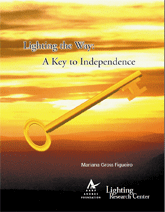
Lighting the Way

A guide to better lighting for older adults was developed by the Lighting Research Center and the Andrus Foundation. It is available for download. >>Download

Do You Follow The ElderThinker?

Flashes & Floaters


You may sometimes see small specks moving in your field of vision. These are called floaters. You may often see them when looking at a plain background, such as a blank wall or blue sky. They will appear to move as you move your eyes.

Floaters are actually tiny clumps of gel or cells in the vitreous, the clear jelly-like fluid that fills the back chamber in your eye.


When floaters first appear, they may be accompanied by what appears to be flashes of light. These are most easily seen when in the dark.


New floaters or more floaters can be caused by shrinking of the vitreous gel away from the retina. This usually is harmless, but in some people the vitreous may be firmly attached to the retina in one or more places, and here the retina may be torn as the vitreous pulls away.


A tear can lead to a detached retina which is definitely a serious matter. So make an appointment with your ophthalmologist right away if flashes and floaters are new or changed.>>More


Add to Google Reader or Homepage


My Visit to an Ophthalmologist

Gretchen Heuring | ElderThink | 03.27.09


To be truthful, I didn't know the difference between an Optometrist and an Ophthalmologist (much less how to spell them) when I went to get new glasses a few months ago. I was about to find out.>>More


What happens to our eyes as we age?


The pupil gets smaller so less light reaches the retina. This means that older people need extra lighting and have more trouble seeing when it is dark.


Color vision changes make it harder to distinguish blues and blue-greens.


Contrast sensitivity decreases so looking at things requires more attention.


Aging and Our Senses: Sight

Rhea Becker

The Boomer Chronicles


By age 50, most people will experience some vision change. It’s part of normal aging. As the lens of the eye becomes less flexible, it becomes more difficult to read fine print or see close objects clearly. My own reading eyesight is shot.


This problem is called presbyopia and it begins in our 40s and is correctable with reading glasses or bifocals and a new surgical procedure they’re perfecting.

>>More


Tests To Do At Home For Macular Degeneration


Look at a sheet of graph paper.


normal ansler grid


If all the lines look straight

you have normal vision


abnormal ansler grid


If the lines look wavy, you should see an ophthalmologist right away.


Of course any time you are worried about your vision you

should see an ophthalmologist.


Loss of Vision

centerBar


Eye Diseases Common in Older Persons


Some eye problems are minor but others can lead to a permanent loss of vision. It's important to have regular checkups.


A sudden change in vision or flashes of light could be important signals and you should see your eye doctor right away.


For seniors, the most common diseases of the eye include difficulty focusing up close, cataracts, glaucoma, and problems with the nerve layer at the back of the eye. >>More


Impaired Vision or Blindness


Some eye diseases can lead to impaired vision or blindness. Since these diseases progress slowly, the greatest loss will be in later years. In her document, "Sensory Changes in Later Life," Vicki Schmall says, "Misunderstood conversations can lead to suspiciousness, paranoia, disagreements, and alienation from family and friends. Older people who try to cope by responding to what they think is said may be viewed as cognitively impaired, rather than hearing impaired." Her helpful document can be downloaded here. >>Download


New Glasses More Often


There is a normal loss of focusing ability caused by hardening of the lens inside the eye. This process is a part of ageing and requires new glasses more often than younger people require.


One way to keep costs down for new glasses is to buy lenses only, using the old frames.


Another is to purchase inexpensive glasses for close-up work at the supermarket.


Seniors With Cataracts


A cataract is a clouding of the lens of the eye. According to the National Institutes of Health, by age 80, more than half of all the people in the United States either have a cataract or have had cataract surgery.


Modern cataract surgery is safe and effective. The Mayo Clinic offers an excellent article on cataract surgery. >>More


Macular Degeneration


Macular Degeneration is a serious disease and is the leading cause of blindness among people aged 65 and older.


A non-profit group, the Macular Degeneration Network says, "Age-related macular degeneration is the leading cause of blindness in the United States and many European countries. The neovascular "wet" form of the disease is responsible for most (90%) of the severe loss of vision.


There are approximately 200,000 new cases of wet macular degeneration in the United States each year. The average age of patients with the wet form of macular degeneration is the mid-70s. It rarely occurs before the age of 50.


Wet AMD Image

A free publication by the National Eye Institute >>Download PDF


Patients rarely lose all of their vision from macular degeneration. Though they have poor central vision, most can walk around, dress themselves, and perform many of their normal daily tasks." More


Dry Macular Degeneration normally affects vision less than the wet form. Reduction in central vision occurs gradually over many years and the disease does not normally cause a total loss of central vision. Recently, laser treatments are being recommended to treat this form of Macular Degeneration. >>More


Detached Retina


There is a sac inside the eye that is filled with a jelly-like material. As we age, that sac pulls away from the back of he eye. This is a normal part of the ageing process.


Sometimes, in the process of pulling away, the retina will tear and the result can be a detachment of the retina from the rear of the eye. Flashes and floaters may be symptoms of retinal detachment.


Detached retinas can be repaired with surgery, including laser surgery. >>More


Glaucoma


Most people have no early symptoms of Glaucoma and are unaware of their condition. Glaucoma can result in blindness if it goes untreated. Frequently, treatment involves painless eye drops at bedtime.>>More