


 |
Loneliness and Memory LossBy Gretchen Heuring | 08.13.2014 |
Everyone knows how it feels to be lonely, but ongoing loneliness heralds a deep despair and memories are lost in the darkness. Researchers have been studying the effects of loneliness and, somehow, the results are not surprising. There is a loss of connection and belonging.
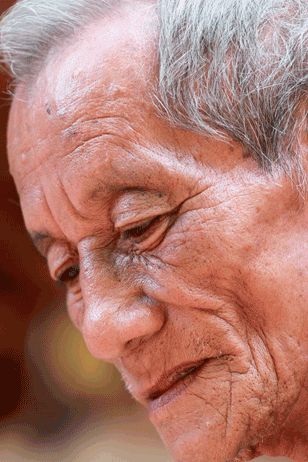
Older people find loneliness because they lose their closest persons. Relationships built over decades are gone forever.
Over time, months, maybe years, lonely people turn inward and lose connection with a populated world. They become suspicious and fearful, preferring to stay in their quiet private place. Even though they seem to prefer their isolation, they feel that no one wants to be with them. They begin to feel unworthy of the company of others, so their behavior drives caring people away. Often they become obsessed with possessions because things are all they have.
They forget what relationships are all about and are unprepared for the give and take of being close to someone else. They don't change their clothes or clean their environment. There are no healthy, balanced meals for them. Exercise is a lost art and they whither. If no one looks in or reaches out, they will die.